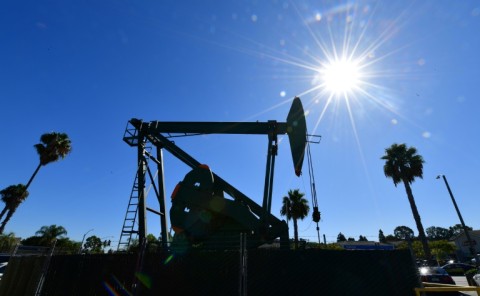
When the US and Israel launched strikes on Iran on Feb. 28, Brent crude was trading around $72 a barrel. Within weeks it was approaching $120. Two months on, with the Strait of Hormuz still functionally closed and negotiations going nowhere fast, prices have swung wildly on every headline — and traders are running out of optimism to price in.
Here’s how it’s played out.
February 28: The War Starts
US and Israeli strikes kill Supreme Leader Khamenei and gut Iran’s military infrastructure. Iran shuts the Strait of Hormuz in retaliation. Brent surges 51% in March alone — one of the largest single-month price jumps on record. The IEA calls it “the biggest energy security threat in history.”
Early April: The First ‘Deal’
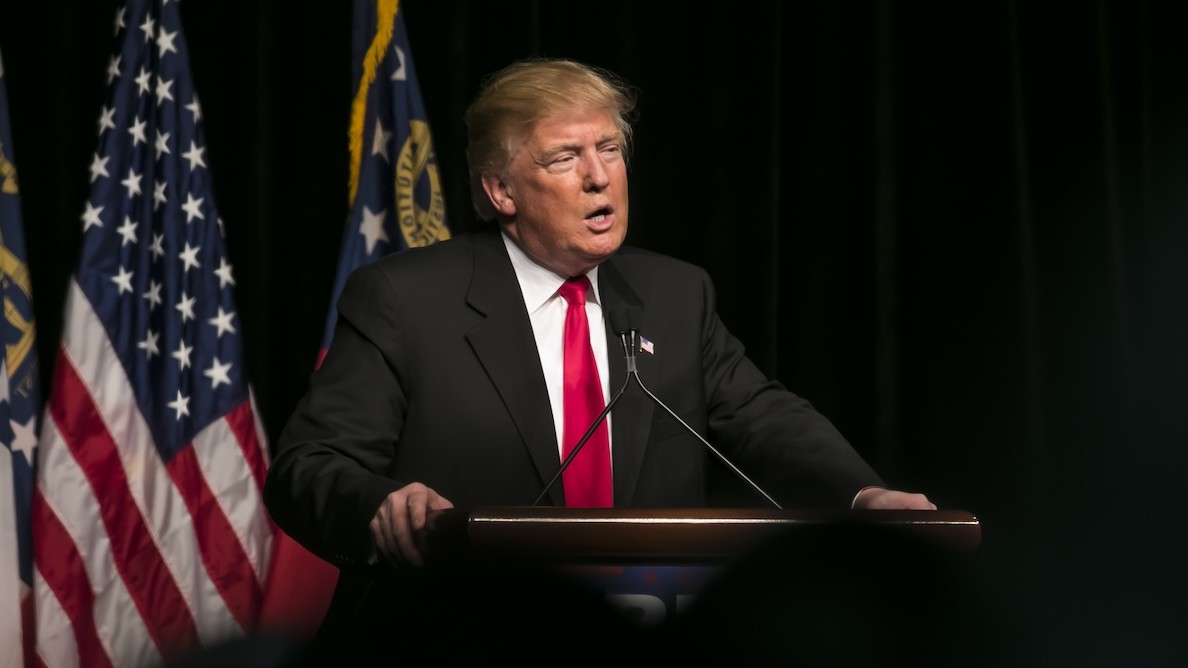
On April 1, Trump claims Iran asked for a ceasefire. Iran calls the claim “false and baseless.”
Days later, after threatening to destroy Iran’s “whole civilization,” Trump backs off. On April 8, Pakistan brokers a two-week ceasefire , with Iran agreeing to reopen Hormuz. Markets exhale. Hours later, Iran’s Lavan Island refinery and Sirri Island crude facilities are struck by what Tehran calls an “enemy attack.” The strait doesn’t reopen.
April 11-12: Islamabad Talks Collapse
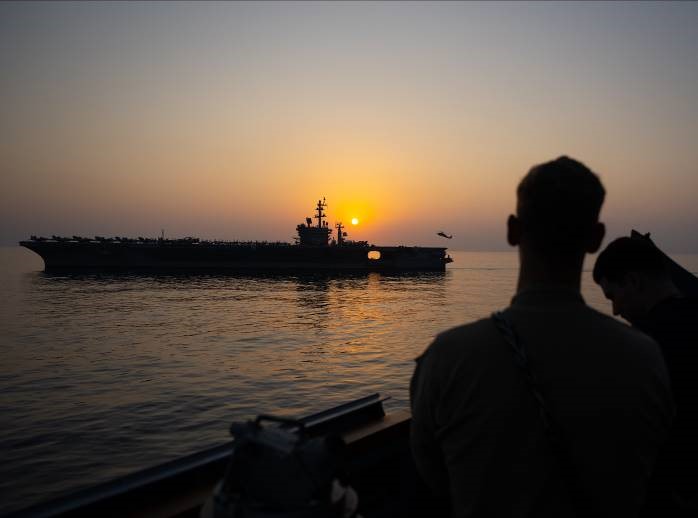
Vance, Witkoff and Kushner fly to Islamabad. After 21 hours of talks, Vance walks out saying Iran refused US terms. Trump announces he “no longer cares about negotiations.” On April 13, the US launches a naval blockade of Iranian ports. Brent climbs back toward $120.
Mid-to-Late April: The Revolving Door
April 15: Trump says he wants the war to end “swiftly.”
April 17: Iran briefly allows commercial vessels through Hormuz during a Lebanon ceasefire, then reimposed restrictions when the US refuses to lift its port blockade.
April 19: Trump calls new Pakistan talks Iran’s “last chance” and threatens to target power plants and bridges.
Brent hits $126.41 on April 30 , a four-year high, before pulling back to $114.
May 1: Iran’s Proposal, Trump’s Rejection
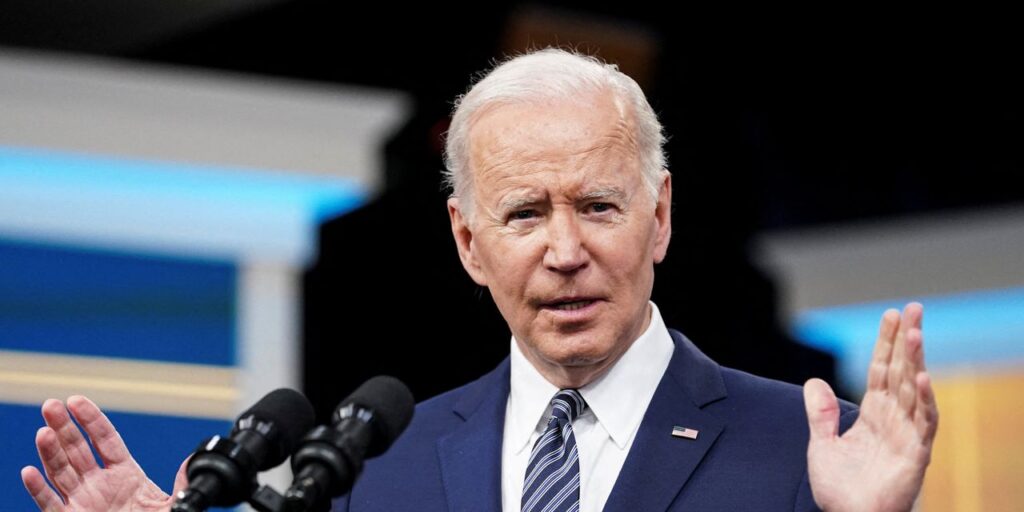
Iran sends an updated peace proposal to Pakistani mediators. Brent drops 2% to $108, WTI falls 3% to $101 on the news. Trump later says: “Iran wants to make a deal, but I’m not satisfied with it.”
May 5-6: Project Freedom, Then the Pause
Trump launches “Project Freedom” — a Navy-led effort to escort stranded vessels through Hormuz. Iran attacks the UAE. Oil jumps 4% Monday, then falls 4% Tuesday after Hegseth confirms the ceasefire is “not over.”
Then on Tuesday night, Trump suspends Project Freedom citing “great progress” in talks.
A Pakistani source tells Reuters that a one-page deal is close. Brent crashes 8.6% to $100.40 , WTI drops 9.8% to $92.23 on Wednesday.
Where Things Stand
Goldman Sachs estimates Hormuz flows have fallen to just 4% of pre-war levels . Before the war, around 20 million barrels a day transited the strait. Even if a deal is signed today, analysts say supply chain bottlenecks and infrastructure damage would likely keep Brent anchored in the $80-$90 range — well above where it started.
The pattern is clear by now: a headline drops suggesting a breakthrough, oil sells off hard, then the details fall apart and prices creep back up. Markets have done this loop half a dozen times since February. Whether the one-page memo currently being negotiated breaks that cycle, or becomes the next entry on the list, is the only question that matters right now.
https://oilprice.com/Energy/Oil-Prices/Live-Oil-Prices-Fall-Below-100-as-Trump-Say-Iran-War-May-Be-Coming-To-End.html