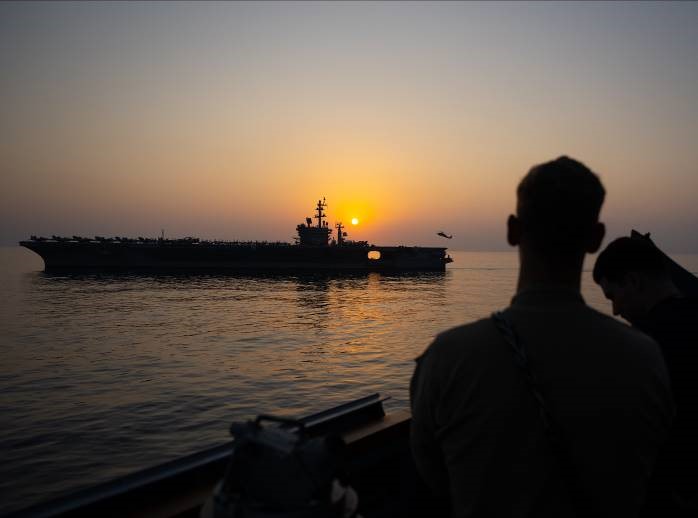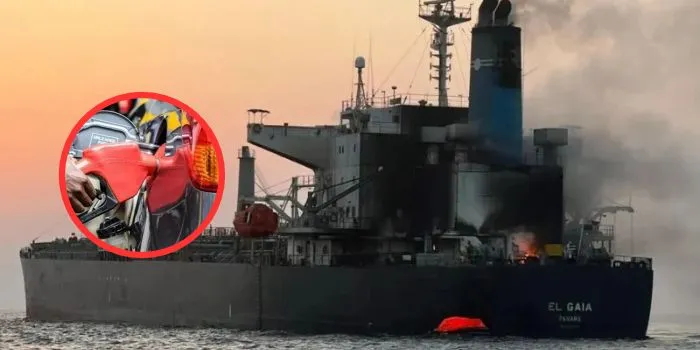
Talks between the United States and Iran to resolve the crisis in the Strait of Hormuz have raised hopes of relief for global fuel markets, even as two petroleum tankers destined for Kenya were hit by drone strikes in the strategic waterway.
On Tuesday, October 20, it emerged that the talks between the two countries are progressing, offering relief for Kenya, whose oil reserves are low. The Energy and Petroleum Regulatory Authority (EPRA) last week warned that the country is awaiting the crucial supply before news broke that two tankers destined for Mombasa had been hit by drones.
Reporting from Al Jazeera indicated that negotiations between Iran and the U.S. are continuing, with both sides engaging in diplomatic efforts offering a glimmer of hope for oil to trickle through the strait.
U.S. Ambassador to Türkiye and Special Envoy for Syria Tom Barrack said Washington wanted a peace agreement with Tehran, but deep mistrust between the two sides continued to undermine negotiations.
A ship with an oil consignment docks at the Port of Mombasa on July 3, 2024.
Photo
Kenya Ports Authority
“America wants a peace deal. What’s happened from the beginning of these discussions and negotiations is a lack of trust,” Barrack said at the Global Security Forum in Doha, according to Al Jazeera.
“IRGC does not trust the U.S. The U.S. does not trust the IRGC,” he added, referring to Iran’s Islamic Revolutionary Guard Corps.
At the same time, Barrack said any agreement would need to accommodate the interests of the parties involved, suggesting that a ceasefire in the Strait of Hormuz could provide the basis for a wider settlement.
The talks come as security threats in the Strait of Hormuz threaten global oil shipments, with prolonged instability potentially driving up shipping costs and fuel prices in importing countries such as Kenya.
Kenya’s fuel supply concerns were brought into focus after two petroleum tankers destined for the country were hit by drones, according to Energy and Petroleum Regulatory Authority (EPRA) Director General Edward Mwirigi Kinyua.
Appearing before the National Assembly’s Special Funds Accounts Committee, Kinyua said the petroleum products aboard the vessels remained safe despite damage to their engines.
“There has been escalating tension between Iran and Saudi Arabia and, as a result, two vessels destined for Kenya were hit by drones,” Kinyua told the committee.
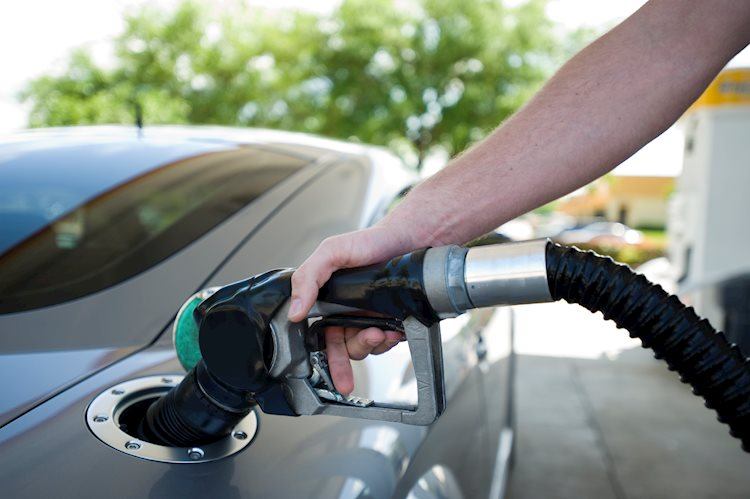
The incident comes after EPRA raised fuel prices for the October 15 to November 14 pricing cycle. In Nairobi, Super Petrol increased by Ksh12.93 to Ksh226.96 per litre, diesel rose by Ksh9.90 to Ksh227.76, while kerosene climbed by Ksh28.49 to Ksh219.87.
In Mombasa, petrol is retailing at Ksh223.81 per litre, diesel at Ksh224.61 and kerosene at Ksh216.71.
A breakthrough in U.S.-Iran negotiations and improved security in the Strait of Hormuz could ease pressure on energy shipping and international oil markets.
However, any relief for Kenyan consumers will depend on developments in global oil prices, shipping costs, and the landed cost of imported petroleum products.
A bird’s eye view of matatus in Nairobi, with an inset of EPRA logo.
Photo
Kenyans.co.ke
https://www.kenyans.co.ke/news/128241-us-iran-talks-raise-hope-relief-after-two-kenya-bound-fuel-tankers-hit