As battery costs fall and fuel prices remain high, electric vehicles (EVs) are becoming the most cost-effective choice for drivers in Europe, according to a new report from the International Council for Clean Transportation (ICCT). That trend is changing the automotive market and manufacturing across Europe and reducing the European Union’s fossil fuel import bill.
– Drivers of electric cars in Europe pay about a third less than those who drive gasoline cars. It’s hard to ignore that kind of savings. We expect the share of battery electric cars across Europe to increase in the coming years if current policies are maintained, says Marie Rayon Bernard, ICCT senior researcher and lead author of the report.
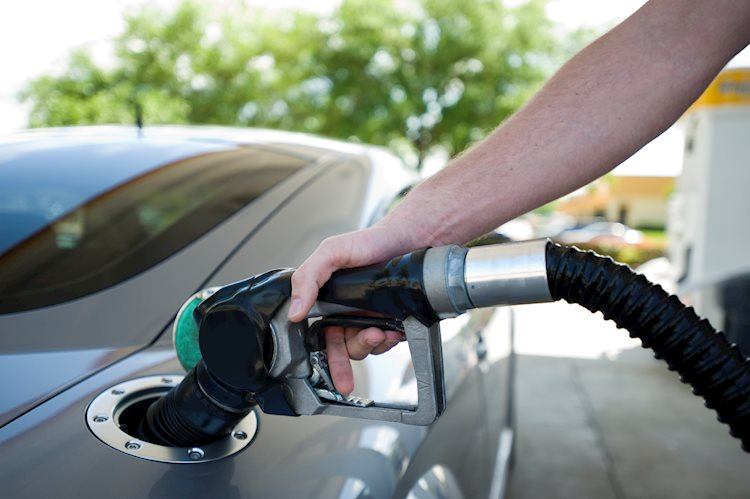
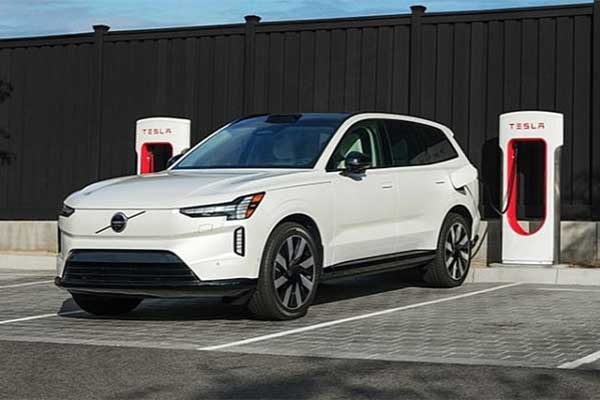
Battery electric vehicles (BEVs) that are charged using a combination of private and public chargers were 33 percent cheaper to run in 2025 than comparable gasoline cars in the European Union. The oil crisis that began in February 2026 further increased that difference. At the beginning of 2026, energy costs for cars with internal combustion engines have increased by 12 to 36 percent, while energy costs for battery electric cars have remained largely unchanged. In addition to lower energy costs, the starting price of BEVs has already reached the price level of gasoline cars in the three largest vehicle segments in 2025. This is shown by data on the prices of 100,000 vehicles on the largest European car market, in Germany. According to the same study, the number of electric vehicle models on the market will quadruple between 2020 and 2025.
Batteries, the single largest item in the cost of electric vehicles, are getting cheaper every year. Globally, battery costs have fallen 35 percent between 2020 and 2025. As a result, when inflation and vehicle characteristics such as range are taken into account, the starting price of battery electric cars in Germany decreased by 18 percent between 2020 and 2025. On the other hand, the prices of cars with SUS engines increased by 2 percent during the same period.
– We observed that car prices have not fallen as fast as battery costs, which tells us that there is still room for electric cars to become cheaper in the coming years. This is a crucial moment for car manufacturers around the world. Instead of abandoning the current direction, European manufacturers will have to continue and deepen their investments in electrification. Competition in this market will be increasingly strong, says Peter Mock, Director of ICCT for Europe.
Renault 5 instead of Clio, Volkswagen ID. Polo instead of Volkswagen Polo?! This analysis makes a strong case for buying an electric vehicle.
When it comes to trucks, the report shows that electric and diesel models in the long-haul segment could reach equalization of the total cost of ownership as early as around 2030. Germany has already reached that point: regional and long-haul trucks have already reached cost parity, aided by toll exemptions favoring zero-emission vehicles.
As an example, an electric long-haul truck already has 11 percent lower owning and operating costs than a comparable diesel truck.
In the first half of 2026, fully electric cars accounted for 22 percent of all new car sales, while electric truck sales rose 40 percent year-over-year. The change in Europe is already bringing results. Battery-powered electric cars on European roads today reduce the EU’s fossil fuel import costs by around €4.5 billion per year. Demand for electric vehicles is also changing automotive manufacturing. The share of cars with SUS engines in total car production in the EU fell from 91 percent in 2020 to 72 percent in 2025, while battery electric cars reached 19 percent of total production.
The study offers a comprehensive, data-driven assessment of the transition to electric vehicles. It measures progress against key indicators, including emissions reductions, vehicle affordability, climate and health impact, charging infrastructure, and industrial competitiveness.
Read Also: Why Does The Battery Drain Faster On Smaller Electric Cars Than On Larger Vehicles?
https://autojosh.com/analysis-the-cost-of-electric-cars-is-33-lower-than-the-cost-of-gasoline-cars/