Oil prices rose Tuesday after Iran-allied militants in Yemen attacked several energy facilities in Saudi Arabia, forcing a temporary halt to some operations.
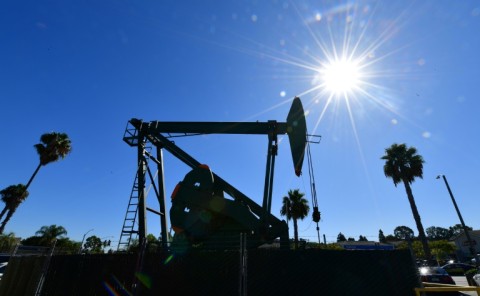
Brent crude futures rose about 1% to close at $97.92 a barrel. The international benchmark hit a session high of $99.46 earlier. U.S. West Texas Intermediate futures advanced 1.7% to settle at $93.03 per barrel.
Oil prices are up more than 8% in September as the U.S. and Iran have traded military strikes for the first time since July.
Houthi militants targeted civilian and economic assets in the cities of Abha, Khamis Mushait, Jazan and Najran, the Saudi Foreign Ministry said. More than 70 civilians were injured in the attacks, it said.
The attacks caused fires at several energy facilities resulting in temporary shutdowns, the kingdom’s Energy Ministry said in a statement. Emergency services are working to contain fires at the sites and assess the extent of damage, the world’s largest oil exporter added.
Riyadh did not disclose what type of energy facilities were struck. Houthi state media said the group attacked Saudi Aramco facilities in southern areas with drones and ballistic missiles.
Saudi Arabia “affirms its legitimate right to take all necessary measures to defend its sovereignty, safeguard its national assets, and protect the security and safety of its citizens and residents,” the Foreign Ministry said.
Stock Chart Icon Stock chart icon
Brent
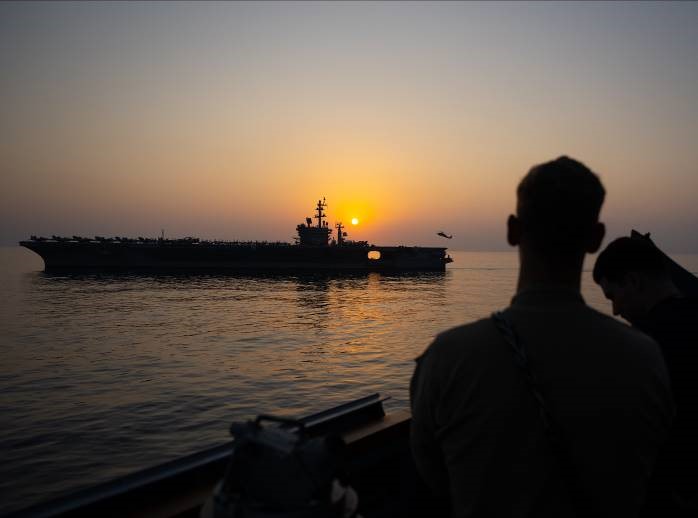
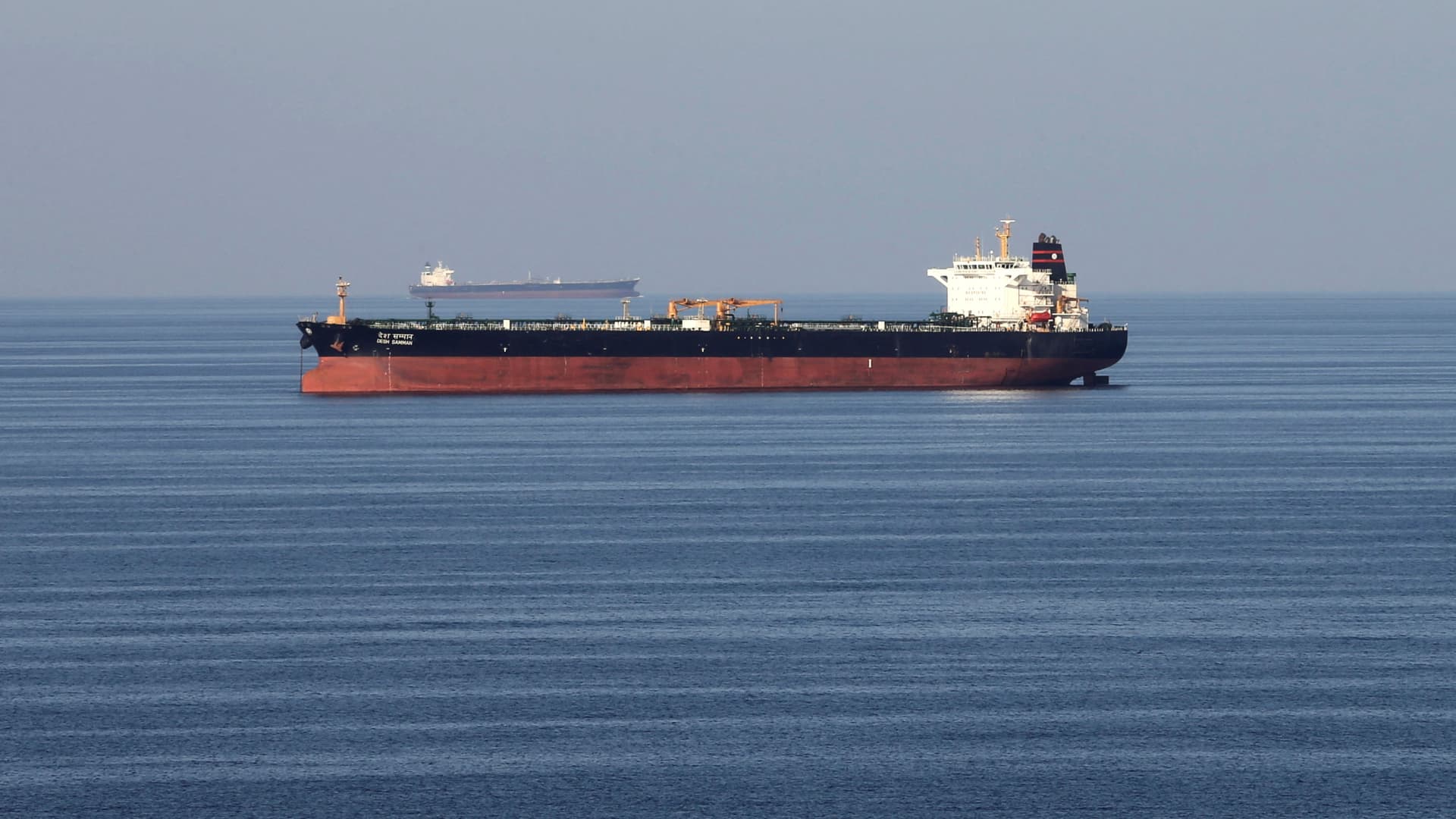
The attacks come after the U.S. military struck three Iranian oil tankers on Saturday in retaliation for Iranian ballistic missile attacks on two Navy warships. The Iran’s Foreign Ministry denounced the attacks on the tankers as a “war crime” and an act of “economic warfare” in a statement on Saturday. Tehran has repeatedly attacked commercial ships during the war.
“Strike our assets and you get struck,” Iranian Parliament Speaker Mohammad Bagher Ghalibaf wrote Monday in a post on X. That was in response to Defense Secretary Pete Hegseth’s post, who wrote that the U.S. “will destroy (and sink)” Iranian oil tankers if Iran fires on U.S. vessels.
Goldman Sachs on Monday raised its forecasts for Brent and WTI by $5 to $85 and $80 per barrel, respectively, for December 2026 and to $80 and $75 per barrel, respectively, for 2027.
Goldman warned that Brent could exceed $120 in 2027 if crude oil output in the Gulf remains 4 million barrels per day below prewar levels, though this is not the bank’s base-case scenario.
“We view more intense shipping attacks in Hormuz and the Red Sea as the most likely driver of this lower-output, higher-price scenario,” Daan Struyven, head of oil research at Goldman, said in a Monday note.
Goldman expects Mideast shipping disruptions to continue into 2027, with production gradually recovering by the second half of the year. “Markets are increasingly pricing a prolonged Mideast conflict,” Struyven said.
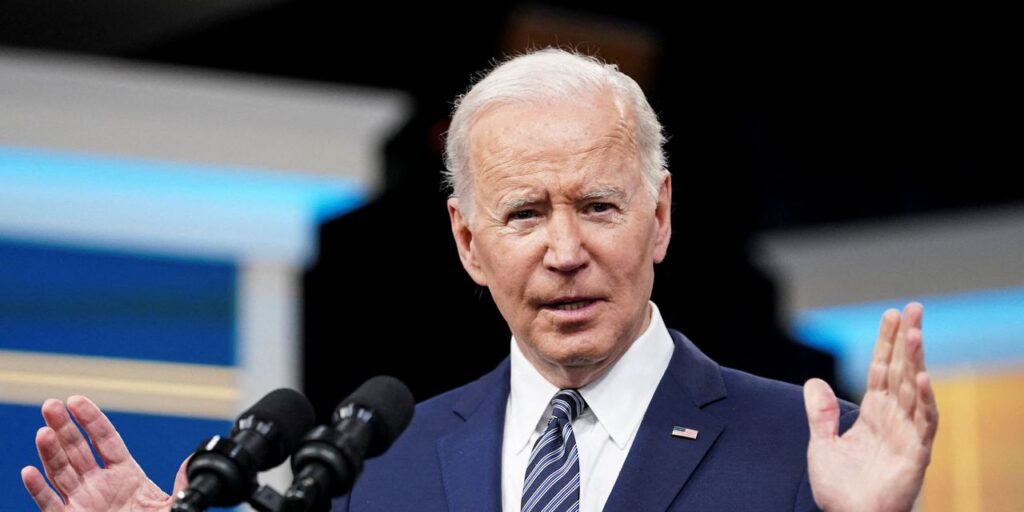
President Donald Trump in a post on Monday said that “Oil prices will drop precipitously … when we WIN the war with Iran.”
https://www.cnbc.com/2026/09/08/oil-prices-today-brent-wti-hormuz-iran-war.html