Nigeria’s fragile macroeconomic recovery is under fresh threat as rising global oil prices, persistent cost pressures and weakening consumer demand combine to raise the spectre of stagflation in 2026, the Centre for the Promotion of Private Enterprise (CPPE) has warned.
In its Q1 2026 economic review and Q2 outlook, the CPPE said while key macroeconomic indicators point to improving stability, the gains remain highly vulnerable to both domestic structural constraints and external shocks, particularly escalating geopolitical tensions in the Middle East.
Chief Executive Officer of CPPE, Dr Muda Yusuf, described the current phase as a “critical inflection point” for the economy, as he cautioned that recent progress could easily be reversed. “The first quarter of 2026 represents a significant inflection point for the Nigerian economy, marked by notable gains in macroeconomic stability.”
He, however, warned that “these gains are tempered by persistent structural challenges and mounting welfare pressures,” stressing that the outlook remains “cautiously positive but increasingly uncertain.”
According to CPPE, Nigeria recorded notable improvements in macroeconomic conditions in the first quarter of the year. Inflation moderated significantly, easing from over 24 per cent in early 2025 to about 15.06 per cent by February 2026.
With economic growth staying resilient, supported by recovery in the oil sector and sustained expansion in non-oil activities, with business activity indicators staying above the 50-point threshold, CPPE noted that these developments have prompted a cautious shift in monetary policy, with the Monetary Policy Committee cutting the benchmark interest rate by 50 basis points to 26.5 per cent in February.
“Overall, these developments point to a transition towards relative macroeconomic stability—an essential foundation for restoring investor confidence and improving economic growth outlook,” Yusuf stated.
Despite these gains, Yusuf warned that conditions in the real economy remain strained, with high energy and transportation costs continuing to erode household purchasing power and business margins.
“The most pressing challenge remains the high-cost environment”, he said, noting that “transportation and energy costs remain elevated, significantly eroding household purchasing power.” He added that the welfare impact of earlier reforms, including fuel subsidy removal and exchange rate liberalisation, “continues to weigh on citizens.”
Businesses, according to the report, are particularly burdened by high energy costs due to unreliable electricity supply, forcing reliance on expensive diesel and petrol alternatives. “Insecurity continues to pose serious economic risks,” Yusuf added, warning that disruptions in agricultural zones are constraining food supply and sustaining inflationary pressures.
The report further noted that high lending rates and weak consumer demand are compounding the challenges, limiting access to credit and dampening economic activity. “These realities underscore a critical disconnect: while macroeconomic indicators are improving, microeconomic conditions remain fragile,” he said.
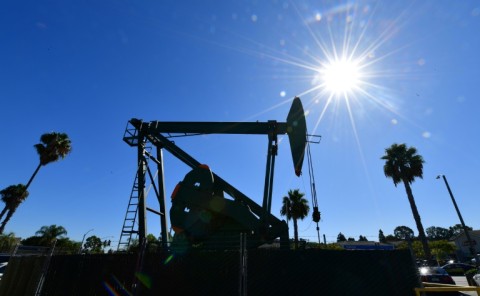
CPPE in its outlook identified rising global crude oil prices as a major risk to Nigeria’s fragile disinflation process, noting that oil prices have crossed the $100 per barrel mark amid escalating Middle East tensions, creating a dual-edged scenario for the Nigerian economy.
“The current disinflation trajectory remains fragile and susceptible to reversal,” Yusuf warned as he explained that while higher oil prices could boost government revenue and foreign exchange inflows, the negative impact on domestic fuel costs could be immediate and severe.
“Higher crude prices transmit quickly into domestic fuel costs, with consequential increases in logistics, production, and operating expenses across the economy,” he said.
According to him, “this cost pass-through effect poses a significant threat to the fragile disinflation process, potentially reversing recent gains in price stability.”
We’ve got the edge. Get real-time reports, breaking scoops, and exclusive angles delivered straight to your phone. Don’t settle for stale news. Join LEADERSHIP NEWS on WhatsApp for 24/7 updates →
Join Our WhatsApp Channel
https://leadership.ng/cppe-warns-of-stagflation-as-cost-pressures-persist-despite-macro-gains/