Oil prices soared and stocks fell in Asia yesterday after US-Israeli strikes on Iran sent investors fleeing the prospect of an extended conflict in the crude-rich Middle East.
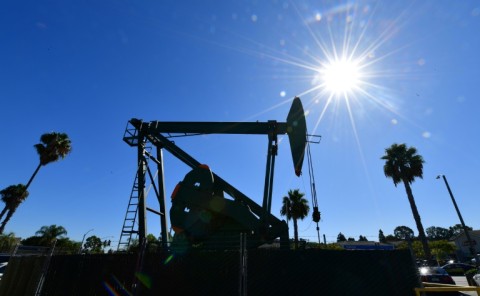
Brent briefly spiked almost 14% and West Texas Intermediate nearly 12 percent at the start of business after the attack on the Islamic republic, which killed supreme leader Ayatollah Ali Khamenei and other senior officials.
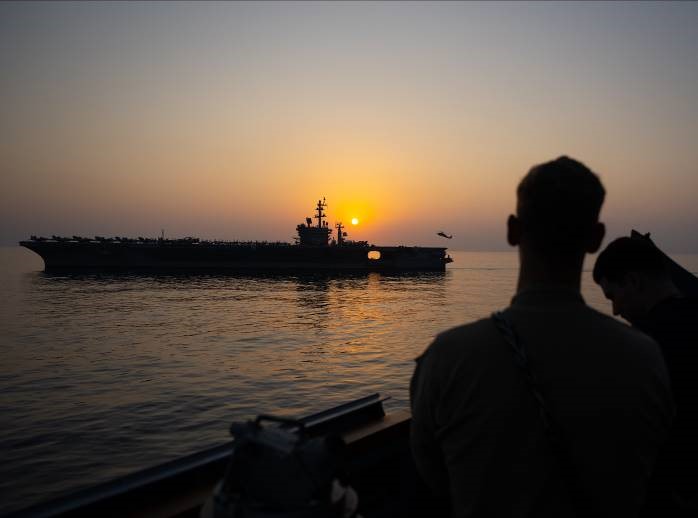
The bombings have also seen the vital Strait of Hormuz – through which around 20% of global seaborne oil passes – effectively shut and several ships attacked, fanning supply fears.
Equity markets across Asia sank, with Tokyo, Hong Kong, Singapore, Mumbai, Bangkok, Wellington and Taipei all deep in the red. US futures were down more than one percent. Still, Shanghai edged up and Sydney was flat.
Airline stocks took a battering as they were forced to cancel flights to the region. Cathay Pacific sank three percent in Hong Kong, Sydney-listed Qantas dived 5.4% and Singapore Airlines was off 4.3%. Japan’s ANA and JAL fell more than five percent.
However, energy firms rallied, with Australia’s Woodside Energy and Santos each jumping more than six percent, while PetroChina added almost four percent in Hong Kong.
Inpex in Japan was up more than six percent.
Gold – a key go-to in times of turmoil – climbed two percent, while the dollar also saw a boost from a rush into safe havens.
While the strikes have ramped up geopolitical worries, traders wound down their initial bets, with crude sitting around five percent higher and stock markets paring losses.
Brent had already rallied last week on growing concerns Trump would order an attack as talks aimed at curtailing Iran’s nuclear programme stuttered.
“If higher oil prices persist, it raises the risk of stickier headline inflation and can slow the pace at which inflation prints improve,” wrote Saxo Markets’ Charu Chanana.
“That does not automatically mean policy tightening, but it can make the Fed more cautious about cutting quickly, because energy-driven inflation can spill into expectations and broader pricing behaviour over time.”
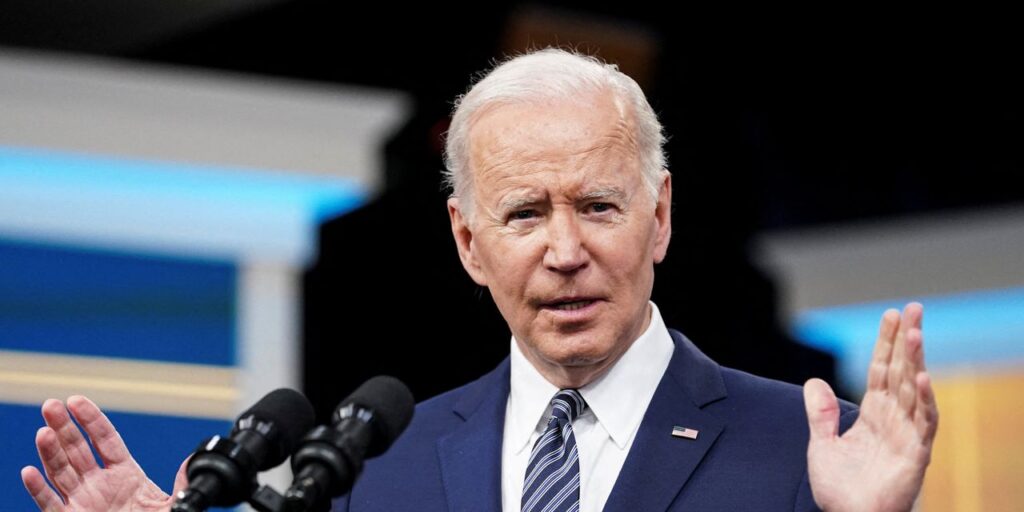
US President Donald Trump urged Iranians to rise up against their government and said the war could last “four weeks”.
The powerful head of Iran’s Supreme National Security Council said yesterday the country “will not negotiate with the US” and denied media reports that officials had sought to initiate talks with the Trump administration.
Iran continued a retaliatory missile and drone campaign in the Gulf, adding to fears the conflict could spread as Tel Aviv launched attacks on Lebanon after Tehran-backed militant group Hezbollah fired rockets at Israel in retaliation for the killing of Khamenei.
While Iran has not officially closed the Strait of Hormuz, its Revolutionary Guards have warned against transiting the waterway.
At the weekend, at least two ships were struck, one off Oman’s coast and another off the UAE’s, British maritime security agency UKMTO said.
Iranian state television said an oil tanker was hit and was sinking after trying to “illegally” pass through the strait.
In such a situation, insurance costs become prohibitive, said Amena Bakr, head of Middle East and OPEC+ research at analysts Kpler, predicting that crude could hit $90 (about R1 400).
AFP
https://www.iol.co.za/news/world/oil-prices-surge-as-stocks-tumble-following-us-israeli-strikes-on-iran-02e5a23a-82a8-417a-8fe7-0bd5b62ffd2e