Article content
“The market is facing the risk of a temporary glut as trapped oil finally re-enters a system that has already spent months learning how to function without it,” Natasha Kaneva, the head of commodities research at JPMorgan Chase & Co., said in a note. “The barrels now exiting Hormuz increasingly have nowhere to go except China. But China is not buying.”
Article content
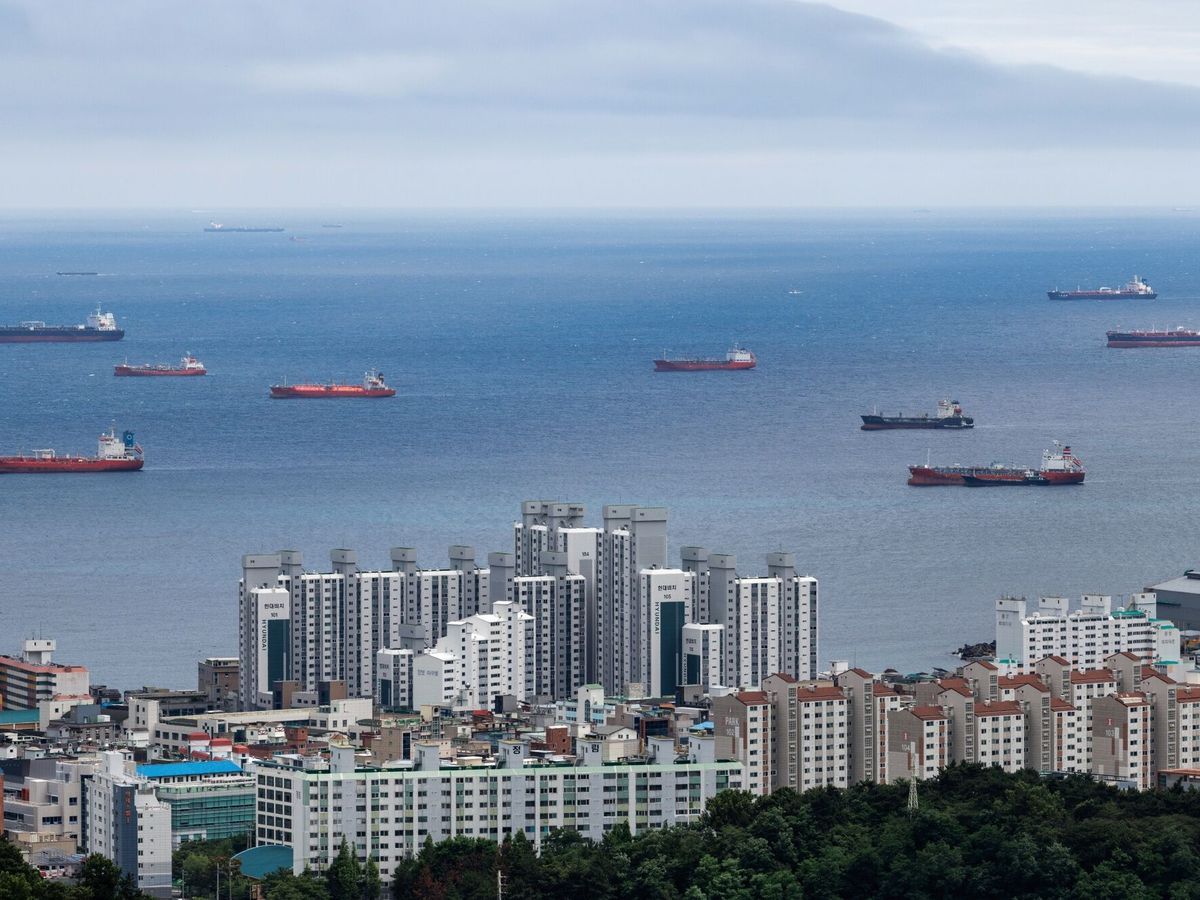
It’s a surplus that’s visible on both the trading screens of Wall Street and the supertankers plowing the world’s oceans.
Article content
In recent days each of the main futures benchmarks in the US, Europe and Asia have traded in a contango pattern. That structure incentivizes traders to put barrels into storage tanks when supply outstrips demand.
Article content
UAE oil is traveling as far afield as the US, and is even being offered to buyers in Hawaii. One vessel laden with Venezuelan crude sailed more than 10,000 miles to the coast of India and has now been idling for more than two weeks without a buyer.
Article content
A key reason for those unusual journeys is that China, which has slashed imports by some 5 million barrels a day compared to pre-war levels, has yet to meaningfully boost purchases.
Article content
Article content
In a sign of how weak Chinese buying has been, grades of oil for which Chinese refiners are the typical buyers have collapsed to historic lows. The physical price of Oman crude – a key grade of Middle Eastern oil — has sunk to a $4 discount to the Dubai benchmark, the biggest since 2020. A cargo of Republic of the Congo’s Djeno crude has not sold despite being offered at a $14 discount to Brent – the widest on record. While there have been some indications of Chinese refiners opportunistically buying cargoes of Middle Eastern crude in the past week, analysts say they are not yet sizable enough to reverse the sentiment.
Article content
“Chinese buyers remain conspicuously absent,” Citigroup Inc. analysts including Francesco Martoccia said in a note. “Without a meaningful return of Chinese demand, the incremental barrels being pushed into the market simply deepen the emerging surplus.”
Article content
One-Off Boost
Article content
To be sure, there are reasons to think that the physical crude market may not stay so weak for long. The initial rush of oil that has been stuck in Hormuz is by definition a one-off boost to supply. Production in the Gulf is rising rapidly but remains some way off pre-war levels, with a Bloomberg survey showing OPEC production was 28% below February levels in June.
Article content
Article content
Oil products markets are looking stronger than crude. Benchmark diesel futures in Europe cost almost $50 a barrel more than crude, with traders concerned about a sharp drop last month in Russian shipments and even a potential export ban. The gasoline market is also under pressure, with stockpiles in the US well below seasonal norms thanks in part to refiners focusing on jet fuel production in recent months.
Article content
And releases from strategic petroleum reserves are set to slow to a near-halt in the next month, according to the International Energy Agency. Some analysts expect governments will rapidly look to rebuild their stockpiles, adding to demand and helping to absorb any surplus.
Article content
What comes next will likely depend on three things: whether the shaky peace deal can stick, whether the OPEC+ group of producing nations is willing to curb its production rebound in order to protect prices, and China.
Article content
Jorge Leon, head of geopolitical analysis at Rystad Energy who previously worked at the OPEC secretariat, says that the normalization of flows through Hormuz will pose tough questions to the group.
https://financialpost.com/pmn/business-pmn/oils-stunning-reversal-rekindles-fears-of-a-global-glut