By Tsvetana Paraskova – Mar 23, 2026, 2:00 PM CDT
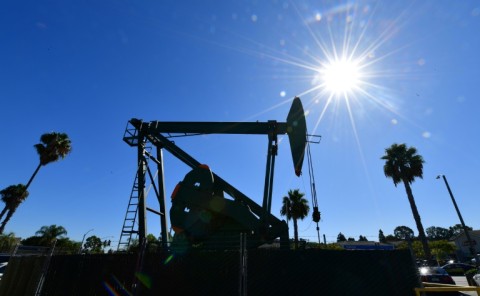
The United States is the world’s biggest crude oil producer—it has been for years, and it has been pumping more than 13.6 million barrels per day of oil for the past few months.
Then why, some would ask, are U.S. gasoline prices surging because of a conflict half a world away?
First and foremost, the price of crude oil carries the biggest weight in the formation of gasoline prices in America. And the price of crude oil has soared in the past three weeks since the war in the Middle East began.
Second, the U.S. – even with the highest crude oil production rates in the past months – still consumes more oil than it produces domestically, at more than 20 million barrels per day. Moreover, not all domestically produced oil is suitable for refining at the U.S. refineries designed to run optimally on heavier crudes – crudes that the U.S. is not producing much of and still has to import.
In other words, despite being the biggest oil producer by a mile, the United States still depends on crude oil sold at international market prices, and when they soar, gasoline prices do, too.
Crude Price Makes More than Half of U.S. Gasoline Price
As of January 2026, when the average retail price of gasoline was $2.81 per gallon, the price of crude oil made up 51% of the price Americans pay per gallon, according to data from the U.S. Energy Information Administration (EIA). The weight of the crude oil price is the same in March, but with crude prices up by 30%, it is inevitable that the price of a gallon of gasoline is now more than $1 higher compared to before the Iran war.
This Ohio Factory is Trump’s Secret Weapon in the Rare Earth War
The U.S. benchmark, WTI Crude, has jumped from about $67 per barrel before the first U.S.-Israeli attacks on Iran on February 27, to as much as $99 a barrel as of early on Monday. The international benchmark Brent Crude has surged even more, and traded early on Monday at $112 per barrel, up from $73 per barrel just before the war started.
Taxes account for 18% of the price of a gallon of gasoline, so even if the state and federal governments look to lower these taxes, the impact on gasoline prices would be much smaller than the impact from soaring crude oil prices.
One month ago, the U.S. national average price of gasoline was $2.929 per gallon.
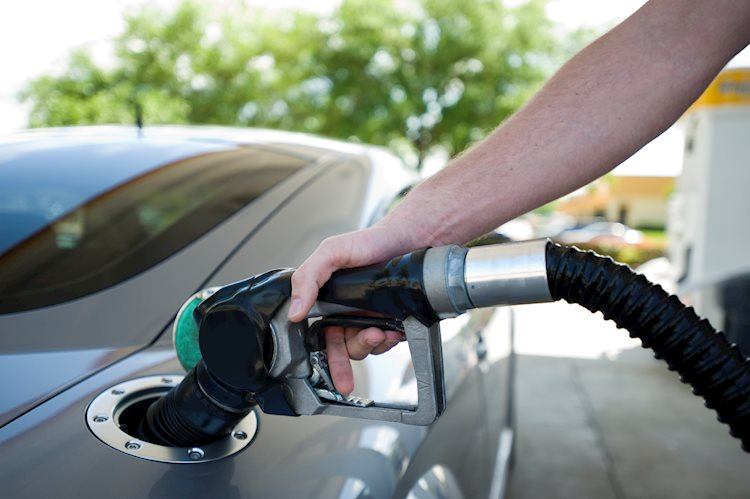
Now it’s over $3.90 and on track to hit the $4/gal mark within hours. And that’s overwhelmingly due to the soaring crude oil prices as the Strait of Hormuz – the world’s most vital oil chokepoint – remains closed and effectively sidelines more than 15% of global petroleum deliveries. This, in turn, hikes the price of every available barrel of sour crude that’s not stuck in the Middle East.
As a result, just 0.7% of stations were offering gasoline below $3/gal on Sunday, according to GasBuddy data. This compares to 78% of stations offering below $3/gal gasoline three weeks ago. The national average at $3.94/gal as of Sunday is likely to go above $4 in less than 48 hours, says Patrick De Haan, head of petroleum analysis at GasBuddy.
Not All Crude Is Equal
While the U.S. is a net petroleum exporter, it still needs to import heavier crude grades because refineries cannot run only on the lighter crudes from the domestic shale fields. Crude imports account for about three-quarters of U.S. total gross petroleum imports, according to EIA data.
Nearly 70% of all U.S. refining capacity runs most efficiently with heavier crude. That is why 90% of crude oil imports into the United States are heavier than U.S.-produced shale crude, the American Fuel & Petrochemical Manufacturers (AFPM) trade association says.
Even if the U.S. is the world’s biggest crude oil producer, its refining markets and fuel prices are not an island and depend on the global price of crude, which has surged since the war in Iran started.
By Tsvetana Paraskova for Oilprice.com
More Top Reads From Oilprice.com
Oil Plummets 8% as Trump Postpones Hormuz Deadline Threat Chinese Oil Giants Rethink Iranian Crude After US Waiver Who Really Benefits From the Iran Conflict? Follow the Oil
Download The Free Oilprice App Today
Back to homepage
Tsvetana Paraskova
Tsvetana is a writer for Oilprice.com with over a decade of experience writing for news outlets such as iNVEZZ and SeeNews.
More Info
Related posts
Leave a comment
https://oilprice.com/Energy/Energy-General/US-Energy-Dominance-Agenda-Cant-Shield-Driver-From-Higher-Gasoline-Prices.html