NEW YORK — The U.S. stock market is holding steadier Wednesday following two days of punishing swings driven by worries about how high oil prices will go because of the war with Iran.
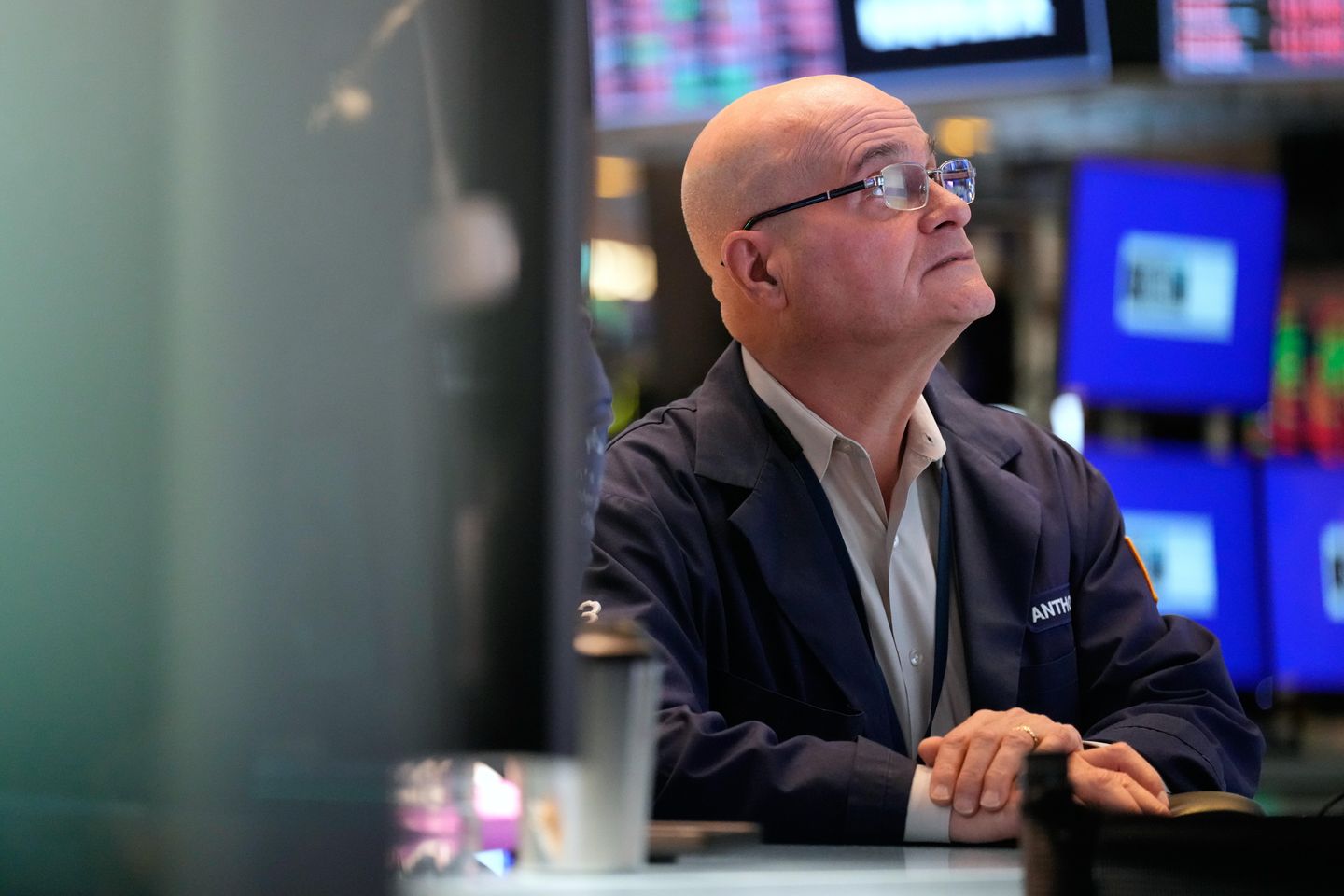
The S&P 500 rose 0.5% in morning trading following encouraging reports on the U.S. economy. The Dow Jones Industrial Average was up 180 points, or 0.4%, as of 10:15 a.m. Eastern time, and the Nasdaq composite was 0.9% higher.
The relatively calm trading followed a scary start to Wednesday, when South Korea’s Kospi stock index plunged 12.1% for its worst day in history. Uncertainty about the war has sent prices in financial markets careening up and down hour by hour this week, with most taking their cues from what the price of oil is doing.
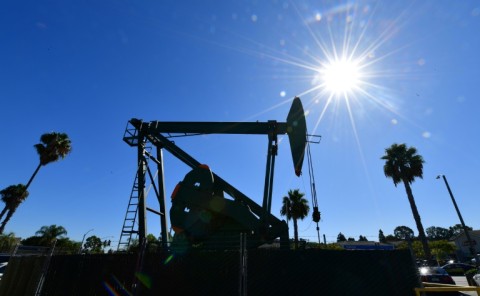
Oil prices moderated through the day and gave back some of their big, earlier gains as trading moved westward from Asia to Europe. After briefly topping $84 per barrel, the price for a barrel of Brent crude, the international standard, eased back to $81.45, a 0.1% rise. A barrel of benchmark U.S. crude fell 1% to $73.81.
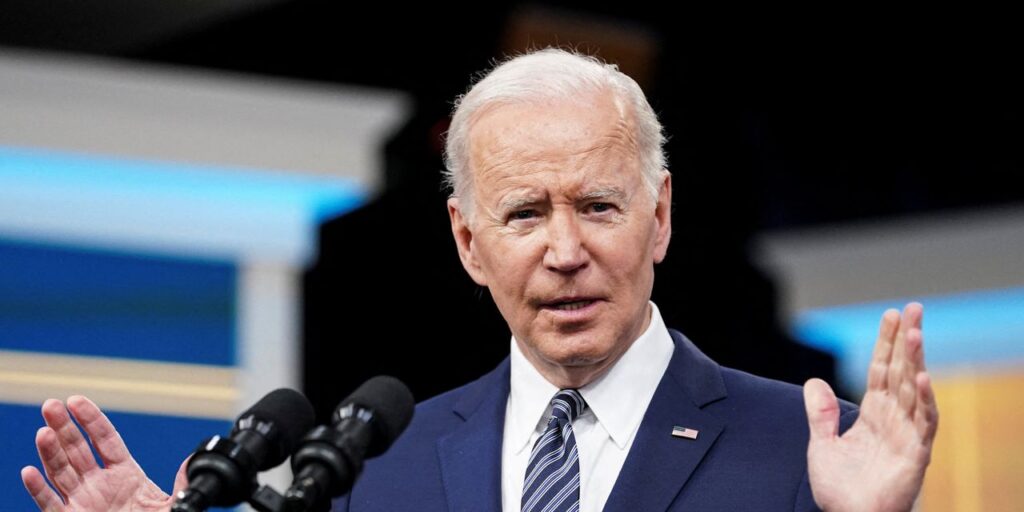
An announcement by President Trump on Tuesday afternoon helped stem the surge for oil prices, when he said the U.S. Development Corp. would provide insurance for oil tankers and other ships going through the Strait of Hormuz off Iran’s coast. He also said the U.S. Navy could escort tankers through the strait, “if necessary.”
That helped calm worries that flared earlier following an Iranian threat to set fire to any ship crossing through the narrow passageway. It’s a route typically taken by roughly a fifth of the world’s oil.
To be sure, the promise of insurance and a possible military escort “only mitigate, but do not eliminate” the risk of oil prices rising further, Mizuho Bank said in a commentary. The increased insurance costs filtering through to shipping would ultimately cost an extra $5 to $15 a barrel, it said.
In financial markets, worries are centered on how long the war could last, how high inflation will go because of more expensive oil and how much corporate profits will sink because of it.
“I think the Iran situation is getting out of hand, and I think that U.S. President Donald Trump miscalculated enormously,” said Francis Lun, CEO of Venturesmart Asia. “The situation is very grim.”
But the U.S. stock market also has a history of shaking off military conflicts in the Middle East relatively quickly, though that comes with a caveat that oil prices don’t jump too high. That has some professional investors suggesting patience through the volatility, at least when it comes to financial markets.
On Wall Street, a slight majority of stocks within the S&P 500 fell, including those for oil and natural gas companies that had jumped earlier in the week. ConocoPhillips fell 2.6%, and APA sank 2.8%.
Gains for influential Big Tech stocks helped keep the market higher. Amazon rose 2.8%, and Nvidia added 1.2%. Because they’re among the biggest stocks in the U.S. market in terms of total value, their movements carry more weight on the S&P 500.
In stock markets abroad, indexes rebounded in Europe following sharp drops in Asia. France’s CAC 40 rose 1.1%, and Germany’s DAX climbed 1.7%. That followed losses of 2% for Hong Kong’s Hang Seng and 3.6% for Japan’s Nikkei 225, along with Seoul’s historic plunge.
In the bond market, Treasury yields ticked higher after jumping early in the week with worries about worsening inflation. The yield on the 10-year Treasury rose to 4.08% from 4.06% late Tuesday.
Yields got some upward pressure from encouraging reports on the U.S. economy.
One report said growth for businesses in the real estate, financial and other services industries accelerated last month by more than economists expected. A second suggested U.S. employers outside of the government picked up their hiring last month by more than economists expected. That could be an encouraging signal for the more comprehensive report coming Friday from the U.S. government about the strength of the job market.
Strong economic data is welcome news for the Federal Reserve, whose job it is to keep the U.S. job market healthy and inflation low. The Fed’s job has become more difficult because of the jump in oil prices, which is pushing upward on already high inflation.
The Fed could keep interest rates high to keep a lid on inflation. But high interest rates would also keep borrowing costs more expensive for U.S. households and companies, grinding down on the economy.
The central bank had earlier been on track to resume its cuts to interest rates later this year, in hopes of giving the job market and economy a boost. Because of the war, traders are pushing back their forecasts for when the Fed could begin cutting rates again.
Copyright © 2026 The Washington Times, LLC.
https://www.washingtontimes.com/news/2026/mar/4/oil-prices-stop-surging-wall-street-holds-steady/