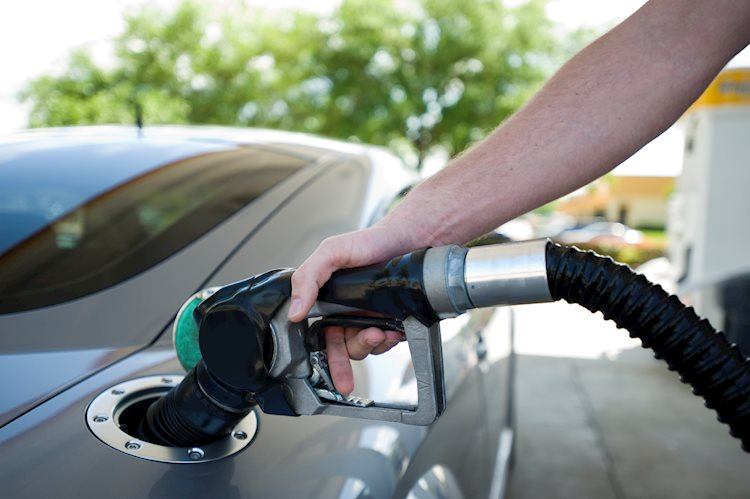
Economists and oil and gas analysts now expect drivers could be looking at a “new normal” of higher gas prices thanks to a greater risk premium for oil even after the dust settles in Iran. Photo by Peter J. Thompson /Financial Post Article content
THIS CONTENT IS RESERVED FOR SUBSCRIBERS ONLY
Subscribe now to read the latest news in your city and across Canada.
Exclusive articles from Barbara Shecter, Joe O’Connor, Gabriel Friedman, and others. Daily content from Financial Times, the world’s leading global business publication. Unlimited online access to read articles from Financial Post, National Post and 15 news sites across Canada with one account. National Post ePaper, an electronic replica of the print edition to view on any device, share and comment on. Daily puzzles, including the New York Times Crossword. SUBSCRIBE TO UNLOCK MORE ARTICLES
Subscribe now to read the latest news in your city and across Canada.
Exclusive articles from Barbara Shecter, Joe O’Connor, Gabriel Friedman and others. Daily content from Financial Times, the world’s leading global business publication. Unlimited online access to read articles from Financial Post, National Post and 15 news sites across Canada with one account. National Post ePaper, an electronic replica of the print edition to view on any device, share and comment on. Daily puzzles, including the New York Times Crossword. REGISTER / SIGN IN TO UNLOCK MORE ARTICLES
Create an account or sign in to continue with your reading experience.
Access articles from across Canada with one account. Share your thoughts and join the conversation in the comments. Enjoy additional articles per month. Get email updates from your favourite authors. THIS ARTICLE IS FREE TO READ REGISTER TO UNLOCK.
Create an account or sign in to continue with your reading experience.
Access articles from across Canada with one account Share your thoughts and join the conversation in the comments Enjoy additional articles per month Get email updates from your favourite authors Sign In or Create an Account or
Article content
The federal government gave financially stretched Canadians a break at the pump a year ago after axing the much-despised carbon tax on gasoline, but those gains and then some have evaporated.
Article content
Article content
Economists and oil and gas analysts now expect drivers could be looking at a “new normal” of higher energy prices thanks to a greater risk premium for oil even after the dust settles in Iran.
Article content
Article content
“The new normal is not likely to be US$60 a barrel,” Avery Shenfeld, chief economist at CIBC Capital Markets, said in a podcast released on Thursday. “There’s likely to be a remaining risk premium in the energy market, but, say, somewhere between US$75 and US$80 a barrel in the course of the fourth quarter; that’s the base for our forecast.”
Article content
By signing up you consent to receive the above newsletter from Postmedia Network Inc.
Article content
Prior to the outbreak of the war, the price for a barrel of West Texas Intermediate (WTI), the North American benchmark, was about US$60 a barrel. Prices then rose nearly 70 per cent to a high of US$112.95, but have since come down to around US$90.
Article content
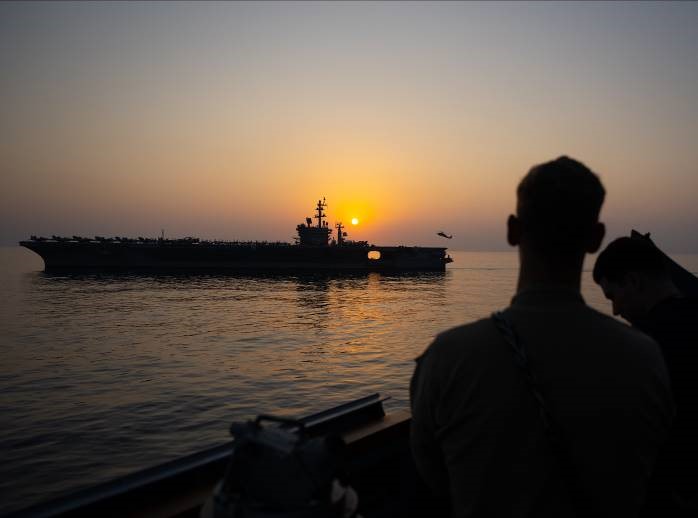
Oil prices rose after Iran effectively closed the Strait of Hormuz, a major gateway for oil and gas supplies to Europe and Asia, removing an estimated 10 million barrels a day of supply from global markets, according to Oxford Economics Ltd.
Article content
“When (the war) does come to an end, that risk premium will be higher,” Randy Ollenberger, managing director and oil and gas analyst at BMO Capital Markets, said during a web session with investors, pegging the premium at US$10 from US$5 previously.
Article content
Oil futures were signalling to expect higher oil prices through 2026 and 2027, Scotia Capital Markets said.
Article content
Article content
“The futures curve remains elevated at sustainably higher prices throughout 2026–27,” Derek Holt, vice-president of economics at Scotia Capital, said in a note last week, with futures pricing WTI at more than US$70 a barrel.
Article content
Article content
Near-term prices reflect the clampdown in the Strait of Hormuz, Douglas Porter, chief economist at Bank of Montreal, said.
Article content
“Where you get into talking about a risk premium is when you get two years from now, or maybe even a year from now,” he said, adding that the one-year future price for Brent crude, another oil benchmark, is US$80, up from US$67 just before the war began.
Article content
But Porter said an elevated risk premium and higher prices aren’t “foregone conclusions,” though that “is the signal markets are sending to us.”
Article content
He said the energy markets reversed themselves in several previous shocks, including the commodity supercycle when WTI prices rose to US$150 a barrel in 2008 and then crashed back down for reasons separate from what spurred the increase.
Article content
Similarly, prices in 2014 rose above US$100 on fears that the terrorist group Islamic State of Iraq and Syria would wreak havoc across the Middle East, leading to a permanent increase in oil prices. That was not to be, either.
https://financialpost.com/news/why-canadians-suffer-new-normal-oil-prices