Why are oil prices up today, and will Brent and US WTI crude futures rise sharply or fall again? This question returned to global markets after oil prices jumped following failed talks between the United States and Iran. Supply fears increased as the Strait of Hormuz remained restricted. Shipping risks, drone incidents, and nuclear tensions also added pressure. Brent crude and US West Texas Intermediate futures both climbed more than 3%. Governments, analysts, and investors are tracking diplomacy, military moves, and shipping safety. The oil market now faces uncertainty as traders assess whether prices will continue rising or reverse.
Why are oil prices up today, and will Brent and US WTI crude futures rise sharply or fall again?
Oil prices moved higher on May 11 after the United States and Iran failed to agree on a peace proposal. Supply concerns increased as the Strait of Hormuz stayed restricted. The waterway is vital for global oil and gas shipments. Markets reacted quickly to the news.
Brent crude futures climbed $3.21 to $104.50 per barrel. US West Texas Intermediate rose $3.06 to $98.48 per barrel. The price increase reflected fears about limited supply and risks to shipping.
Why are oil prices up today?
Oil prices rose because diplomacy between the United States and Iran stalled. Iran responded to a ceasefire proposal through Pakistani mediators. The proposal aimed to end conflict, reopen the Strait of Hormuz, and address Iran’s nuclear program.
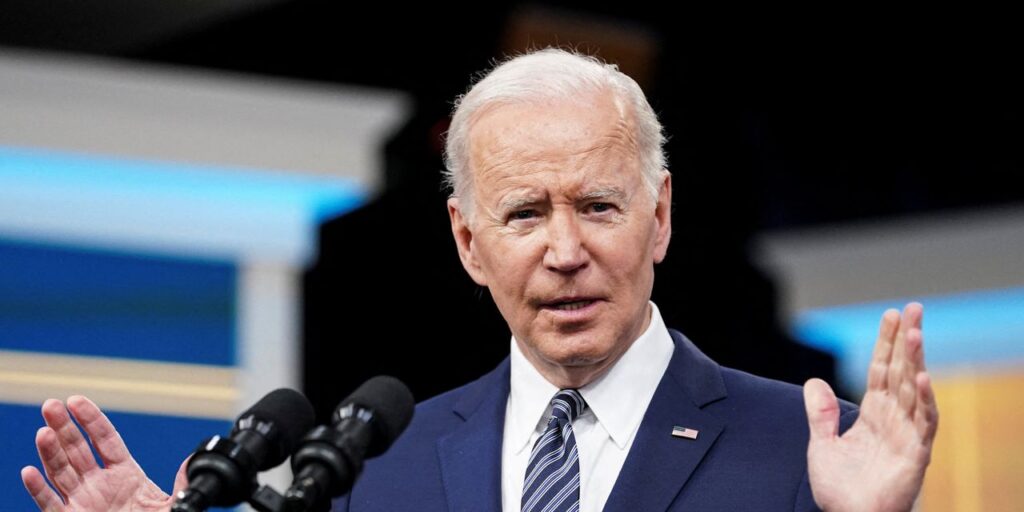
The US President rejected Iran’s response and called it unacceptable. Iran said the proposal required surrender. Iran demanded compensation for war damage, removal of sanctions, and release of seized assets. Markets reacted because the Strait of Hormuz remains restricted. This route carries a large share of global oil shipments. Any disruption affects supply expectations and price forecasts.
Will Brent and US WTI crude futures rise sharply or fall again?
Oil futures increased due to supply risks. However, future direction depends on diplomacy and shipping security. If the Strait of Hormuz reopens, prices may fall. If tensions continue, prices may rise further.
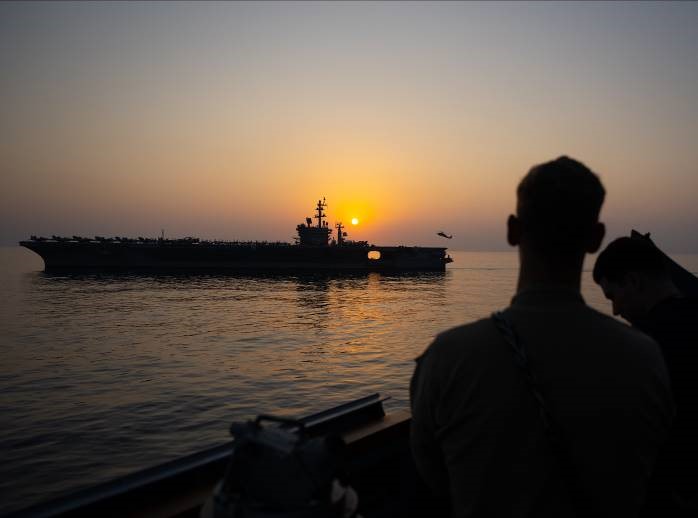
The United States is blockading Iranian ports. The US military said it turned back 61 vessels and disabled four. The US also struck two Iranian oil tankers. Iran warned it would respond with heavy attacks if its ships are targeted. These events show rising risk for global energy transport. Traders often react strongly to shipping threats.
Will US and Iran finalize a peace proposal and reopen Strait of Hormuz soon?
Diplomatic talks remain uncertain. The US says diplomacy still has a chance before further conflict. Iran says it is ready to continue operations against enemies. Iran has blocked the Strait of Hormuz since the war began. This has shaken global markets. The US wants the strait reopened and Iran’s nuclear program reduced.
Another issue is uranium enrichment. The UN nuclear agency says Iran has more than 440 kilograms enriched to 60%. This is close to weapons grade. Iran says it is ready to protect nuclear sites. Russia offered to remove enriched uranium from Iran to support negotiations. The proposal remains available.
Drone attacks target Gulf shipping and airspace
Drone incidents increased concern in the region. A drone caused a fire on a ship near Qatar. The UAE and Kuwait reported drones in their airspace. The UAE shot down two drones and blamed Iran.
No casualties were reported. However, shipping risks increased. Qatar called the incident a dangerous escalation that threatens trade routes and supply chains. A South Korean ship was struck by objects in the strait, causing fire and explosion. Officials are still investigating the cause. These events show that shipping routes remain unsafe. Oil markets respond quickly to such threats.
Iran warns against French and British presence
Iran warned against foreign vessels in the Strait of Hormuz. Iran said any cooperation with US actions would trigger a response. France said the mission would support shipping security after hostilities end. Recent attacks on ships led the US to pause an effort to guide vessels through the strait. This pause increased supply fears and supported higher oil prices.
Analysts insights and market outlook
Analysts say oil prices are reacting to supply risk and uncertainty. Markets focus on three factors:
Diplomatic progress between the US and Iran Security of shipping in the Strait of Hormuz Military actions affecting oil transport If talks fail and attacks continue, prices may rise further. If negotiations succeed, prices may fall quickly. Traders also watch global stock levels and demand trends. Any disruption in supply often leads to price spikes.
What should investors do now?
Investors are monitoring risk signals closely. Oil markets often react quickly to political news. Short term price swings are expected.
Investors are watching:
Diplomatic announcements Shipping safety updates Military activity in the region Some investors may focus on risk management. Others may wait for clearer signals before making decisions.
FAQs
Q1. Why did oil prices rise after the US-Iran talks failed?
Oil prices rose because the Strait of Hormuz remains restricted, creating fears of limited supply. Markets react quickly to shipping risk, military tensions, and uncertainty in diplomatic negotiations between the United States and Iran.
Q2. Could oil prices fall soon despite current tensions?
Oil prices could fall if the Strait of Hormuz reopens and diplomacy improves. Markets usually reverse when supply risks ease and shipping routes become safe again after agreements between major countries.
https://economictimes.indiatimes.com/news/international/us/why-are-oil-prices-up-today-and-will-brent-and-us-wti-crude-futures-rise-sharply-or-fall-again-global-oil-market-reacts-to-us-iran-tensions-heres-analysts-insights-and-market-outlook/articleshow/131000925.cms